In our Polar and Alpine Community News we feature news from the many partners that APECS is working with, as well as other news from a variety of sources related to research in the Arctic, Antarctic and Alpine regions as well as the wider Cryosphere. Many thanks to APECS members and the wider Polar research community for contributing to this shared resources!
If you want to submit Polar or Alpine News for this page, please use the link below. If you have any questions, This email address is being protected from spambots. You need JavaScript enabled to view it..
We keep only the news of the last 3 months on this page. Older news can be accessed in our Polar and Alpine News Archive.
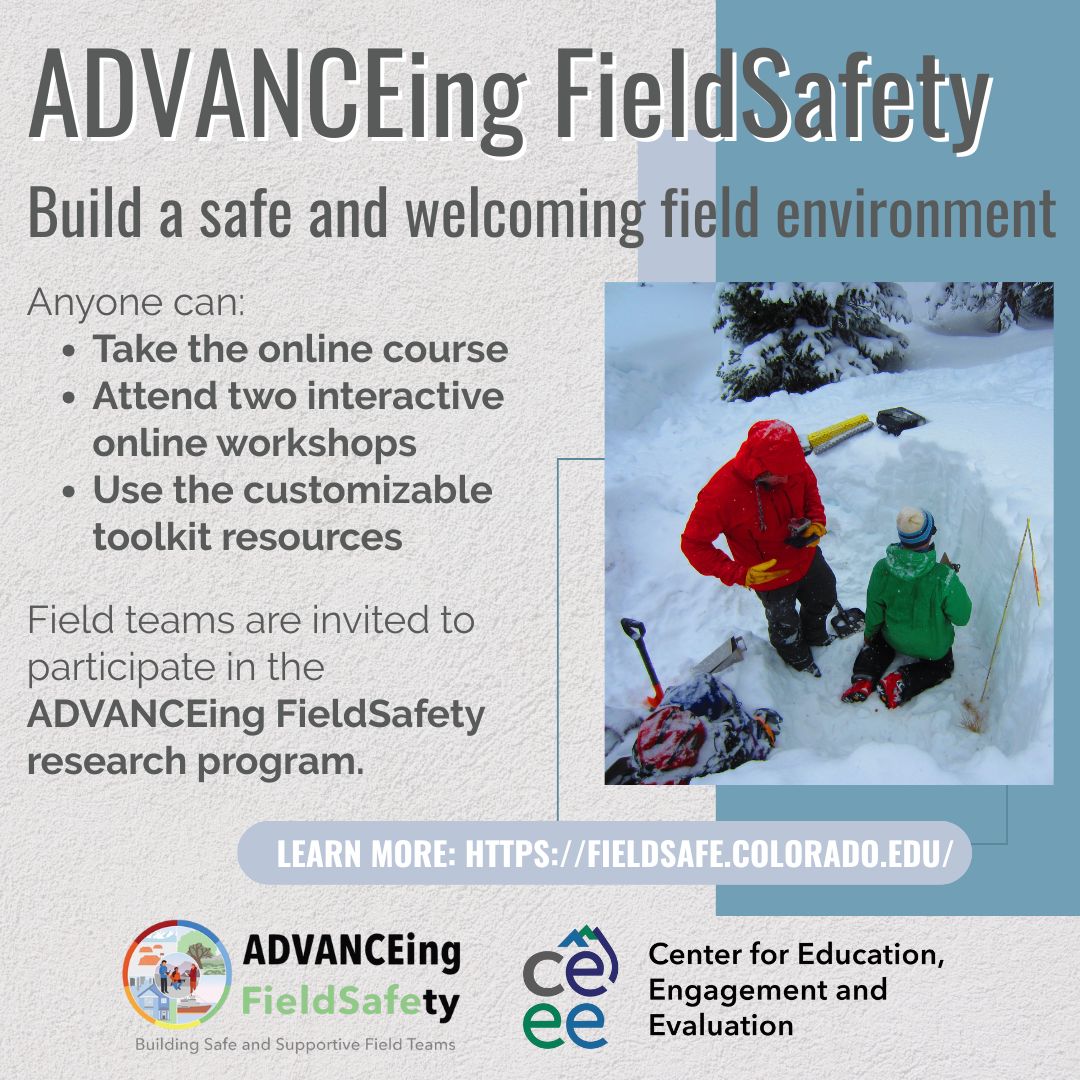
Help Us Understand & Improve Fieldwork for Parents in the Arctic & Beyond
Researchers behind the ICEBERG project have launched a survey to better understand how parents navigate field-based research, whether bringing children into the field or arranging care from afar. Led by Christine Liang (UFZ) and Tahnee Prior (Women of the Arctic) under Work Package 4 (co-creation, ethics, equity, gender, fairness, and citizen science), the study aims to identify challenges, effective strategies, and the state of institutional support for parent-researchers.
Early-career polar scientists are invited to apply for the Saroma Sea Ice School 2026, taking place 28 February – 9 March 2026 at Saroma-ko Lagoon, Hokkaido, Japan.
Organized by BEPSII, CIce2Clouds, and CATCH, the school will bring together around 30 international Ph.D. students, master’s students, and early postdocs to explore the interactions between sea ice, snow, clouds, and aerosols in polar regions.
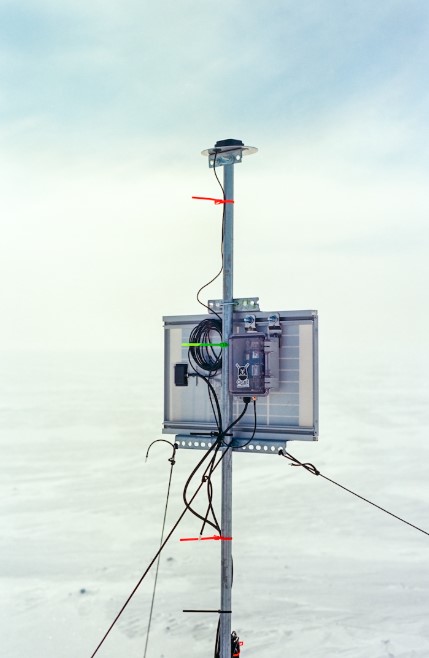
Svalbard Integrated Arctic Earth Observing System (SIOS, https://sios-svalbard.org/) is a consortium of international institutions with research infrastructure in and around Svalbard. SIOS is building an integrated observing system for long-term measurements addressing Earth System questions.
The Scientific Committee on Oceanic Research (SCOR) is conducting an online questionnaire/survey for early career scientists (ECS), defined as students and those less than 10 years since their last degree. The survey aims to reach a broader range of ECS within and beyond the current SCOR network, gauge your familiarity with SCOR, and explore how we can better serve the oceanic research needs of the ECS community, such as promoting international cooperation in the planning and execution of oceanic research. This survey builds upon a similar one conducted in 2020.
The HKH–Arctic Youth Leadership Forum, facilitated by ICIMOD and Arctic Circle, aims to connect youth leaders from both regions to build solidarity, amplifying local and mountain youth voices towards co-creating sustainable and inclusive climate solutions.
Through a one-year fellowship, 12 youth champions (aged 19–35) will gain the knowledge, skills, and networks to lead from the frontlines, bringing local realities and experiences to global climate platforms.
Who are we looking for?
Selected through a nomination and selection process, ICIMOD and Arctic Circle are looking for 12 youth leaders from the HKH and the Arctic regions.
The youth champions will form the first-ever HKH-Arctic Youth Leadership Forum, a dynamic platform focused on youth-led climate action, cross-regional collaboration, and the preservation of the cryosphere and biodiversity. Together, the Champions will share lived experiences, co-develop solutions to shared challenges, and amplify youth voices in national, regional, and global climate dialogues.