 The MOSAiC School 2019 was a 6-week training course organized by the
 The aim of the MOSAiC School was to:
- Train and educate the next generation of Arctic system science experts
- Provide support to the MOSAiC teams and
- Communicate the newly gained knowledge experience through MOSAiC Ambassadors’ projects
In practical, the MOSAiC School 2019 was organized in four parts (phase 0 - 3 in the graph):
-
Phase 0
During the “dry days” in Tromsø/Norway (phase 0 from 16-20 Sept 2019), we focussed on team building, logistical tasks and discussions on challenges on long ship-based expeditions. -
Phase 1
During the journey North (phase 1, 21 Sept-4 Oct 2019), lectures on the MOSAiC themes Atmosphere, Sea Ice, Ocean, Biogeochemistry, Ecosystem, as well as modelling were provided to the participants. You can watch some of the great lectures on our APECS vimeo channel. -
Phase 2
Once the central MOSAiC ice floe was identified at around 85°N, all 20 participants were working on the ice to help setting up the distributed network of scientific stations around the central floe (phase 2, 5t-18 Oct 2019). Additionally they were involved in logistic support (such as (un)loading and snowmachine driving), as well as ice and bear watch. -
Phase 3
On the return journey South (phase 3, 19-28 Oct 2019), lectures on science communication were given by journalists and educators, and all participants were working on the MOSAiC Ambassadors projects. During the full year of the MOSAiC Expedition, the participants of the MOSAiC School will communicate their gained knowledge and experience to their institutions, home countries and beyond.
For a special impression on the MOSAiC School, please see 1-second-per day-snapshot by MOSAiC Ambassador Rosalie McKay:
MOSAiC School in 52 seconds by Rosalie McKay from APECS Webinars on Vimeo.
 My name is Neil and I am a Master’s student in Atmospheric and Climate Science at ETH Zürich. Already during my Bachelor’s thesis, I got the chance to work with the COSMO-LES a high-resolution model to investigate the impact of turbulent surface fluxes on Arctic mixed-phase clouds. This really triggered my scientific interest in the Arctic region which I am continuing to pursue with my Master’s thesis where I will focus on using variability analogues for climate prediction. The objective will be to check whether we can use them for predicting the pattern of temperature and precipitation at higher latitudes for the following seasons or years.
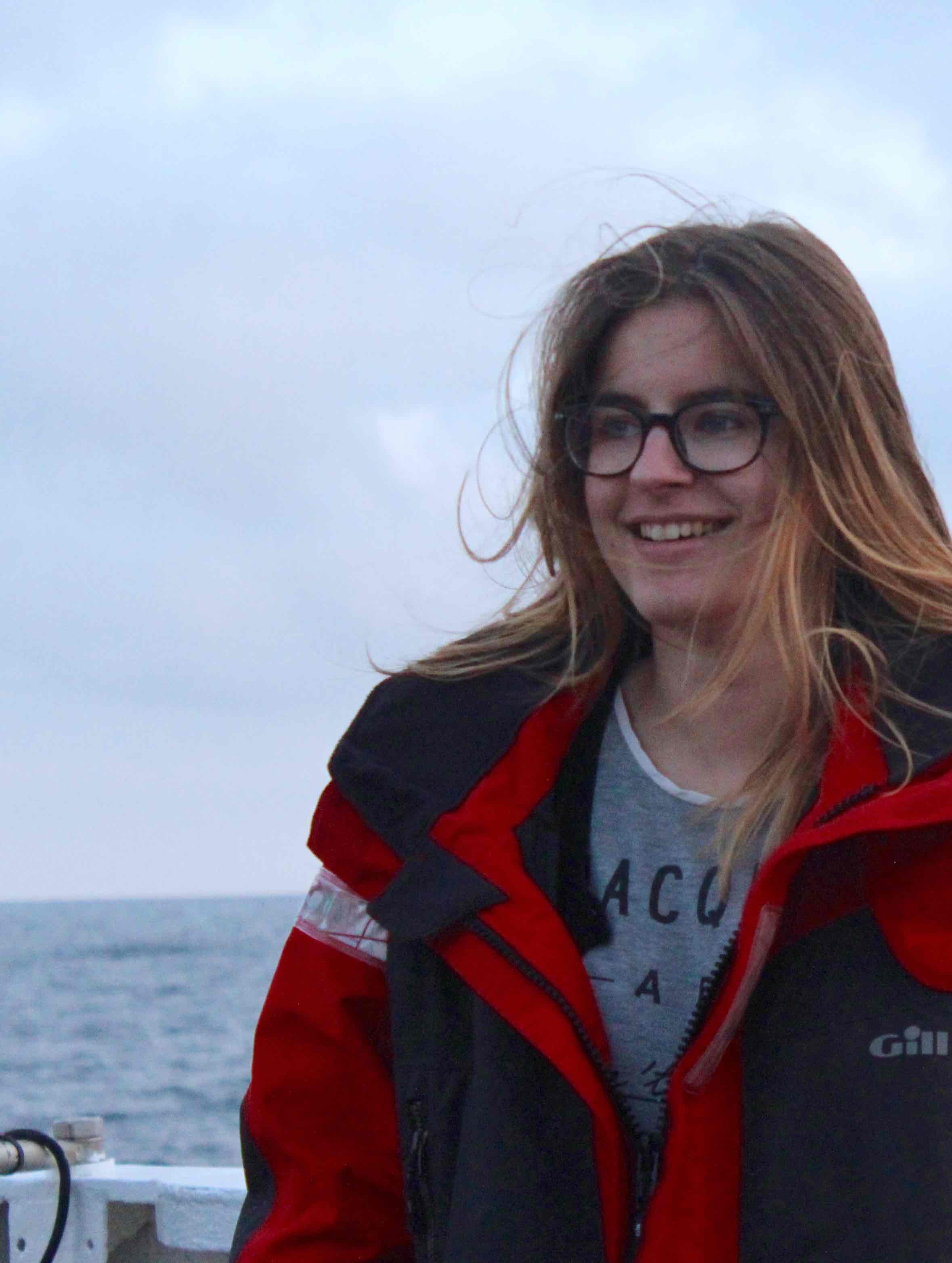 I am a French PhD student in physical oceanography at Sorbonne University, Paris. The focus of my thesis is to document the consequences of the evolving sea-ice cover on the Eurasian Arctic Ocean, combining observational data and operational model outputs. Before starting my PhD, I completed a B.Sc. and a M.Sc. in Physics applied to climate and oceanography, also at Sorbonne University.
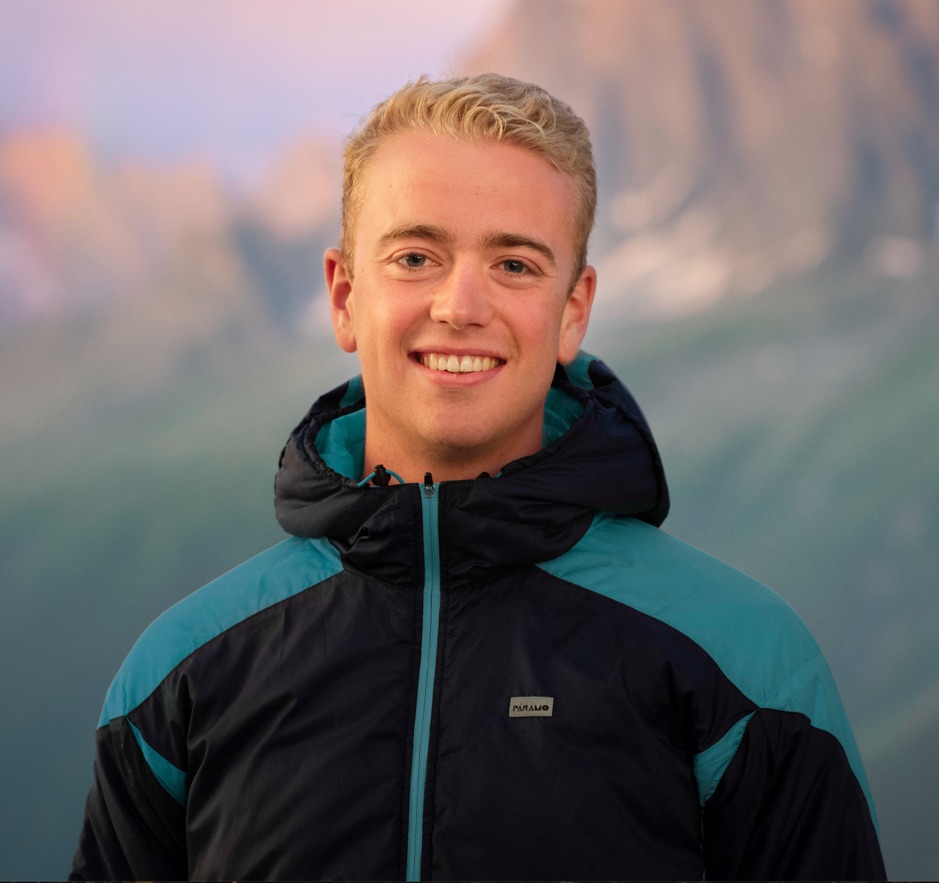 I’m a British physical oceanographer studying for a PhD at the University of Oxford. I’m interested in the interactions between the Arctic atmosphere, sea-ice and ocean. In particular, I’m trying to better understand how the freshwater reservoir of the Arctic Ocean responds to different patterns of winds over the Arctic. Freshwater is intimately linked to stratification and therefore has key relevance for climate and biology. In the main, I explore these relationships using climate model data. Before moving to the study of cold water, my research focus was hot rocks, and how they deform under stress during mountain building. An interest in climate change informed my decision to move field to oceanography. Outside of science, I work with a group called Positive Investment to try and make finance work for a more sustainable future, starting with educational endowments. I also work as a freelance events photographer, and like to turn my camera to the landscape - I blog sporadically about landscape evolution.
 I am a geologist pretending to be a glaciologist, or the other way around, depending on how you look at it.
 I was born nearby Venice (Italy) and I started my career in Physics in 2010 supported by a huge smile and a loud “Good Luck!” from my math teacher. At present time, I can roughly understand the magic of those sea waves that, as a child, I saw forming in the distance and breaking at the shore.
 I am a M.Sc. student studying Marine Environmental Sciences at the ICBM (Institute for Chemistry and Biology of the Marine Environment) at the University of Oldenburg.
 Montana State University, United States
 I just finished my master's degree in Environmental Sciences with a major in Atmosphere and Climate at ETH Zurich, and look back on six amazing years – driven by curiosity about nature and one overarching interest; climate change and its communication. After recharging my batteries this summer, I will start a PhD in atmospheric dynamics and climate change. During an internship at the Geological Survey of Denmark and Greenland (GEUS) in Copenhagen, I investigated the surface mass balance of a South Greenland glacier catchment and participated in two (kite-)ski expeditions in the surroundings of this glacier (not yet the Arctic though ;-)). The study region did not change for my master thesis, but this time, I assessed the atmospheric dynamics that led to Greenland warm events. During my studies, I gained additional experience in communication by teaching as a maths assistant and event moderation. I am extremely grateful for the genuine team spirit in our degree and the research groups at ETH and GEUS, respectively. They all supported and guided my way to the MOSAiC School. I am excited and pleased that the journey of exploring the cool part of Earth's climate still continues.
 I am a PhD student at the University of Colorado Boulder studying hydrology and hydrometeorology. My research aims to understand the variability and predictability of summer Arctic sea ice, focusing on hydrometeorology and statistical methods for seasonal forecasting. This is done using various satellite data products, but does not require direct collection of data or field work of any kind. I’m therefore extremely excited and honored to be participating in the MOSAiC School!
 I am a PhD student in Marine Geochemistry at Institute of Oceanology Polish Academy of Sciences. My research is about mercury and methylmercury in sediments and benthic organisms from polar regions. My interest in mercury cycle started during my MSc studies. I worked on fractionation of mercury in aerosols. Now, during my PhD studies I will try to distinguish the origin of mercury in polar ecosystems between natural and anthropogenic mercury sources, estimate mercury impact on the ecosystem and determine its main origin in the Arctic and Antarctic. I will also try to quantify the impact of Global Climate Change on mobilization of past mercury deposits on surface of melting glaciers. The study area of my research are the Spitsbergen fjords (Arctic) and the area of the Admirality Bay (Antarctic).
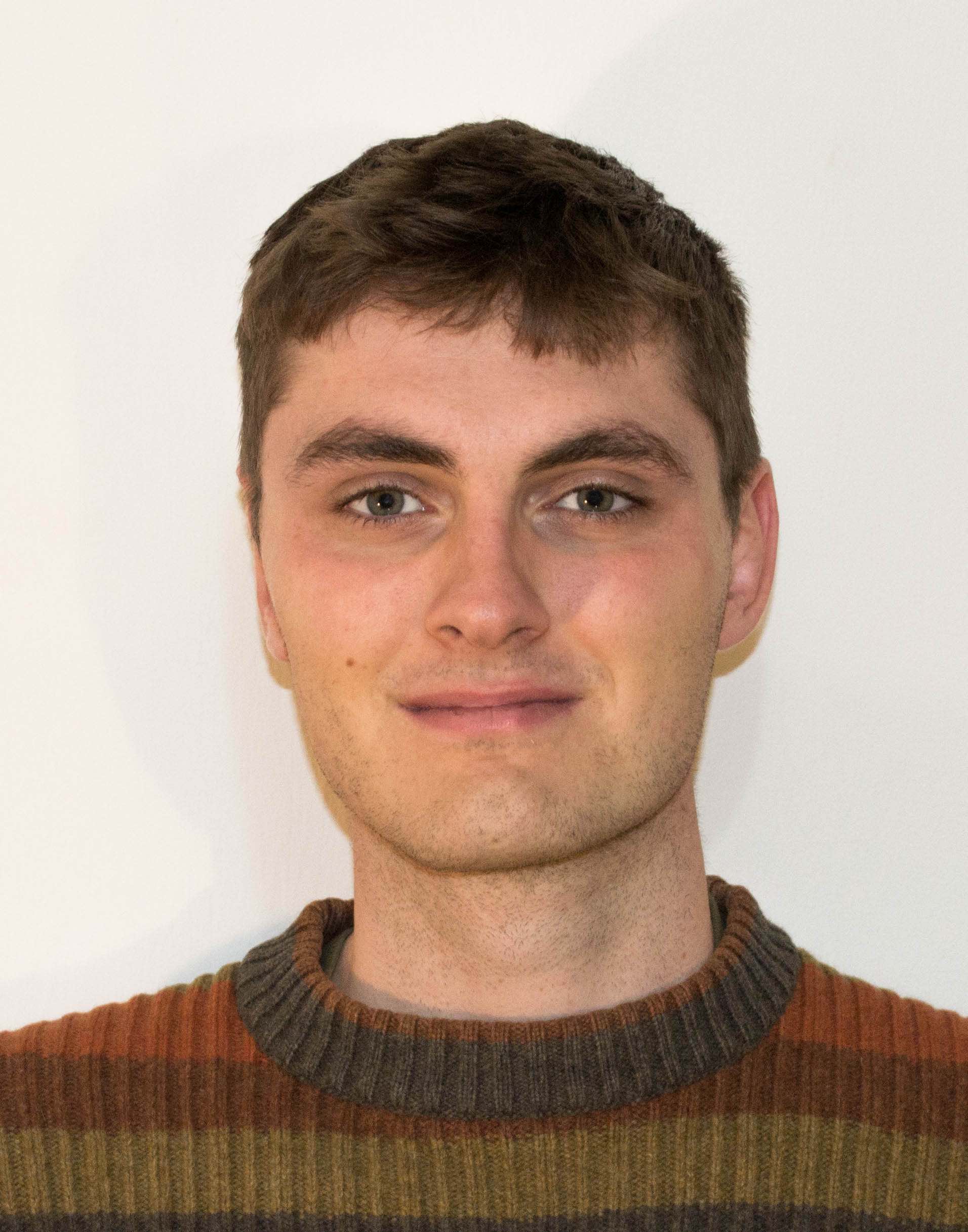 I grew up on an island in the river Thames, leaving to do my undergraduate degree in physics at Oxford University. I became passionate about environmental science during an Energy Studies module in my final year and wrote my dissertation on the detection and simulation of freezing rain events.
 I graduated Lomonosov Moscow State University and now I’m a PhD student in Atmospheric and Climate Science in Institute of Geography of Russian Academia of Science (Moscow). I’m interested in climate change and relationships between atmospheric variability and sea ice changes in Arctic seas. Now my current scientific project is reconstruction of sea ice concentration in the first half of the 20th century using archives, re-analyses and climate models. I have some experience of Arctic cruise as scientific assistant during NABOS cruise (Nansen and Amundsen Basins Observational System). Also I'm a teacher of "Young meteorologist" course for schoolchildren.
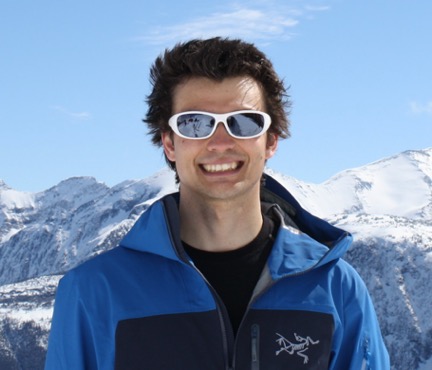 Alex Mavrovic received the B.Sc. degree in physics in 2016 and the M. Sc. degree in remote sensing in 2018, that he completed in 20 months, from the Université de Sherbrooke Sherbrooke, QC, Canada. He is currently Ph.D. candidate in environmental science at the Université du Québec à Trois-Rivières, Trois-Rivières, QC, Canada.
 I completed my Bachelor of Science Specialization Chemistry at the University of Alberta in Canada. I am currently completing my Master of Environmental Chemistry at NTNU. My Master thesis is an experimental and modelling study of the fate of oil droplets released from subsea pipeline leaks. The work is completed in partnership with SINTEF. As part of my program, I was able to spend a semester at UNIS on Svalbard. It was there that I fell in love with polar sciences and am eager to learn more! I joined APECS and am now a Polar Week committee member with APECS Norway. In my spare time I enjoy hiking, traveling and volunteering.
 After graduating as Valedictorian and President of the National Honor Society from the largest high school in Idaho, Ryleigh Moore earned a full academic scholarship to attend Boise State University. She graduated summa cum laude with a double major in pure and applied mathematics and a minor in computer science in just 3 years. In fall 2017, Ryleigh entered the applied mathematics PhD program at the University of Utah where she is currently working with Distinguished Professor Ken Golden to study Arctic Ocean processes. Her research specifically focuses on creating a model that captures the impact Arctic melt ponds have on sea ice albedo. Ryleigh utilizes tools from statistical mechanics, probability, geometry, and mathematical physics in order to rigorously explore, classify, and model the evolution of Arctic melt pond geometry. Ryleigh is also interested in using stochastic differential equations to model sea ice dynamics and other Arctic processes. Outside of math and reasearch, Ryleigh enjoys playing golf and raquetball, collecting football cards, exploring antique stores, and SCUBA diving or snorkeling in the ocean.
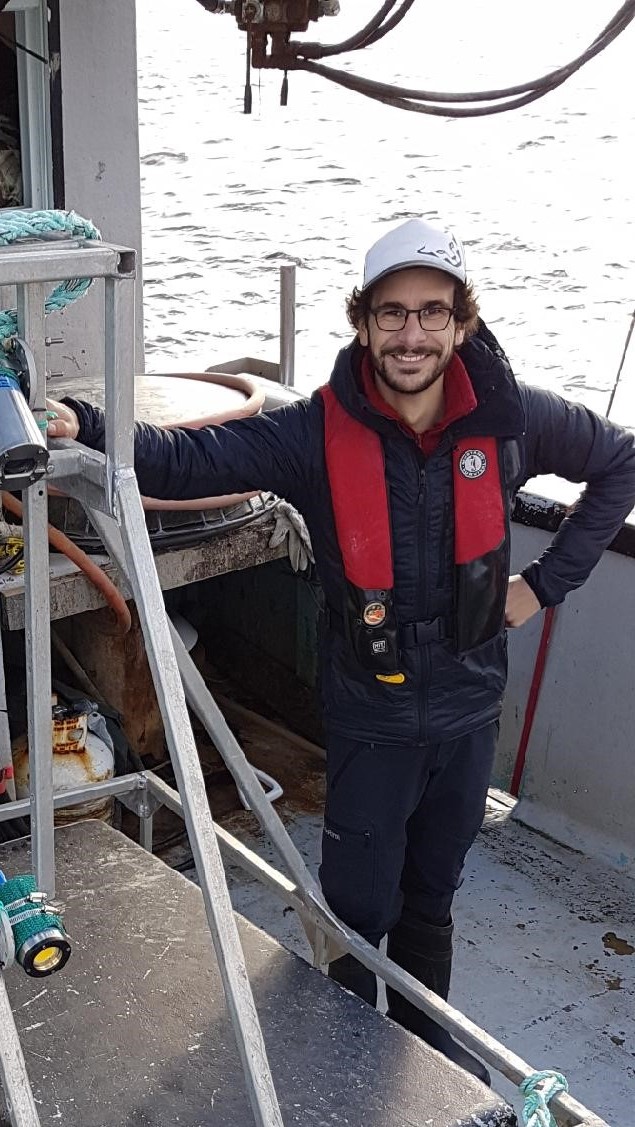 I am a PhD student at the Fisheries and Marine Institute of Memorial University in Newfoundland, Canada working with Arctic forage fish. My main research interests are rooted in the fields of marine ecology and fisheries science. My PhD research focuses on the northward range expansion of boreal species into Arctic waters. This phenomenon is known as the borealization of the Arctic. The borealization is not a uniform process at the Pan-Arctic scale. I aim to describe where borealization occurs and how it affects Arctic ecosystems. Most of this work is based on the use of ice-tethered autonomous sampling platforms that are to be deployed throughout the Arctic. These platforms collect data for a full year cycle and are fitted with environmental sensors and echosounders, which give the animal distribution in the water column and their preferred habitat seasonally.
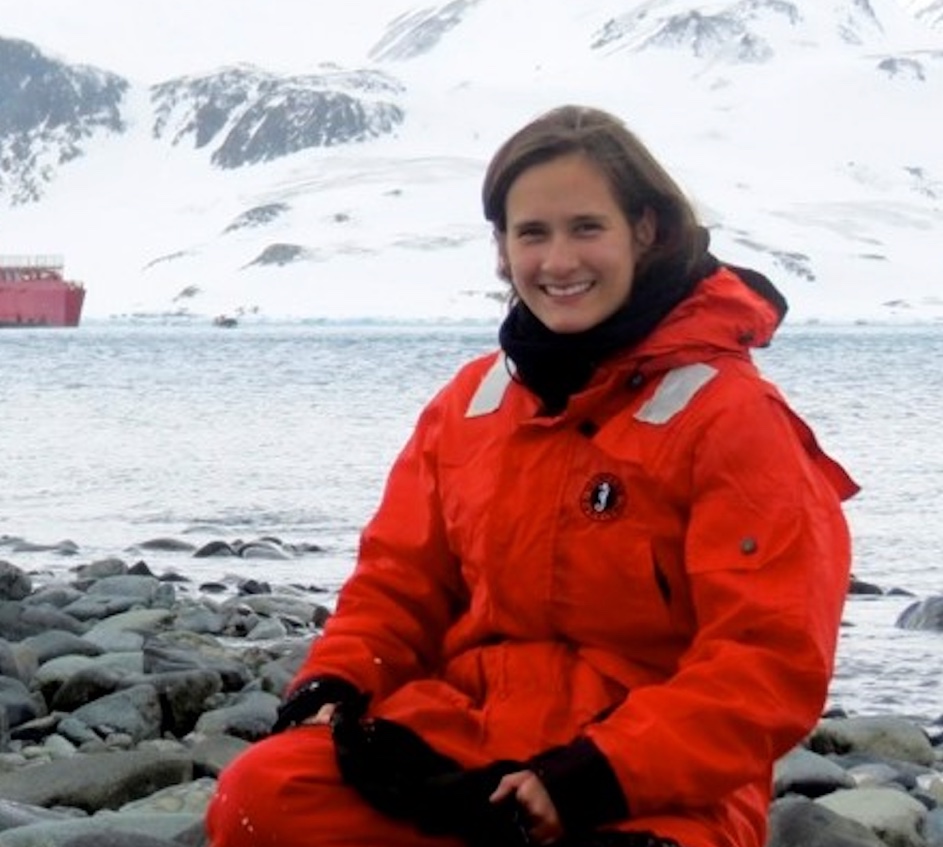 Oceanographer, Msc. Born in Brazil, I’ve already wanted to be an astronaut, an actress, a writer and a journalist. Ended up a physical oceanographer with zero artistic skills. At the moment, I am a phD student at the Institute of Marine and Antarctic Studies (IMAS), working with elephant seal CTD data. The focus of my research is to examine the influence of the melting of the Totten ice shelf on the downstream Vincennes Bay polynya. I aim to describe the physical oceanography of Vincennes Bay region in relation to the seasonal evolution of Dense Shelf Water (DSW) for Antarctic Bottom Water (AABW) production, focusing on how the vertical stratification affects the distribution of the modified Circumpolar Deep Water (mCDW). Prior to my PhD, I have worked as a marine technician in merchant vessels for the Ship of Opportunity Program and got a master’s degree in Physical, Chemical and Geological Oceanography at Universidade Federal do Rio Grande (FURG). My dissertation looked into XBT fall rates in the Southern Ocean. The goal was to identify and quantify the depth errors and to develop a new regional equation that would represent better the particularities of the region.
 I was born in Nuremberg, Germany, and was always interested in both science and art. In 2010 I started a Bachelor of Arts in Photography at the University of Applied Sciences and Arts in Dortmund and graduated in 2014. I love being a photographer, but working on my photographic Bachelor thesis reminded me of my interest for science. Finally the visit of alpine and polar landscapes, especially Svalbard, during that time convinced me that studing Physics with a chance of becoming a polar researcher was the right thing for me.
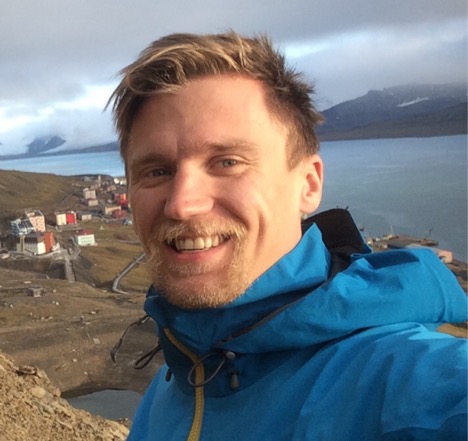 Hello! My name is Igor. I`m from Arctic and Antarctic Research Institute (AARI), department of estuary hydrology, Saint-Petersburg, Russia. I`m bachelor of general physics and master of ecology. I have been working in AARI and participating in seasonal polar expeditions since 2014 (Svalbard and Severnaya Zemlya Archipelago). Now I`m PhD student and my research is "Current state and methodologiical approaches to assessment of Arctic estuaries". I love science, extreme works, music and jokes.
 My background is in meteorology. Under my bachelor studies at the University of Hamburg and my master studies at Stockholm University I obtained a broad knowledge on the global climate system, atmospheric physics, chemistry and research methods in general. In my master thesis I focused on Arctic aerosols and their importance for cloud formation. As a part of my thesis I participated in the MOCCHA (Microbiology-Ocean- Cloud-Coupling in the High Arctic) campaign on the Swedish Icebreaker Oden in August and September 2018 that had the objective to investigate the origin of Arctic aerosols. My task during this campaign was to deploy and maintain a newly developed miniaturised cloud water sampler and to analyse the sampled cloud water for their chemical composition. Recently I completed my master studies and will pursue a PhD at the Department of Environmental Sciences and Analytical Chemistry (Stockholm University) starting in May, where I will focus on sea spray aerosol fluxes. I am very much looking forward to the MOSAiC summer school and am very excited to learn more about Arctic research beyond my field of expertise.
 I started out in applied mathematics with a specialty in coupled systems of differential equations. I got my Masters degree in 2004 and my PhD at TU Berlin in 2008. Then I shifted my focus to schools and outreach activities of the Matheon research center before becoming a maths and physics teacher in 2011 at Herder High School in Berlin. Here, I use my academic background to get pupils excited about maths and science.
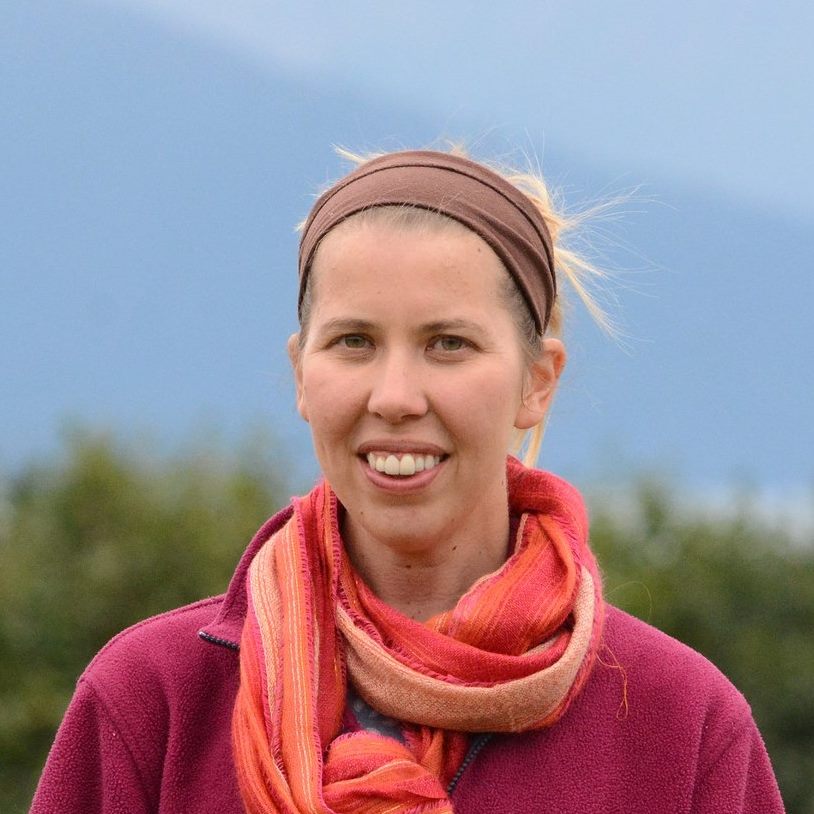 Katie Aspen Gavenus grew up in the not-quite-Arctic town of Homer, Alaska. She is an environmental educator and program director for the Center for Alaskan Coastal Studies. Her undergraduate degree is in Environmental Studies and Visual Art through Bowdoin College in Maine, US. She recently completed a Master's Degree in Science Education through IslandWood and the University of Washington (Seattle, Washington, US). Katie is committed to making science education - and educationmore broadly - locally relevant, culturally sustaining, inspiring, and empowering. She believesscience education should be a collaborative effort between learners, educators, researchers, knowledge-bearers, and community members.
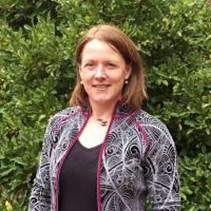 Dr. Anne Gold is the Director of CIRES Education & Outreach and a Senior Associate Scientist at the University of Colorado in Boulder, where she focuses on science education for educators, students and the general public around climate, water, polar regions and general geoscience education. She is interested in understanding and studying effective ways of teaching and learning and is dedicated to grounding her education work in solid research and evaluation. Anne has worked for over a decade with researchers to support them in broadening the impact of their science. Anne is a climate scientist by training with a doctoral degree in Paleoclimatology from the University of Regensburg in Germany.
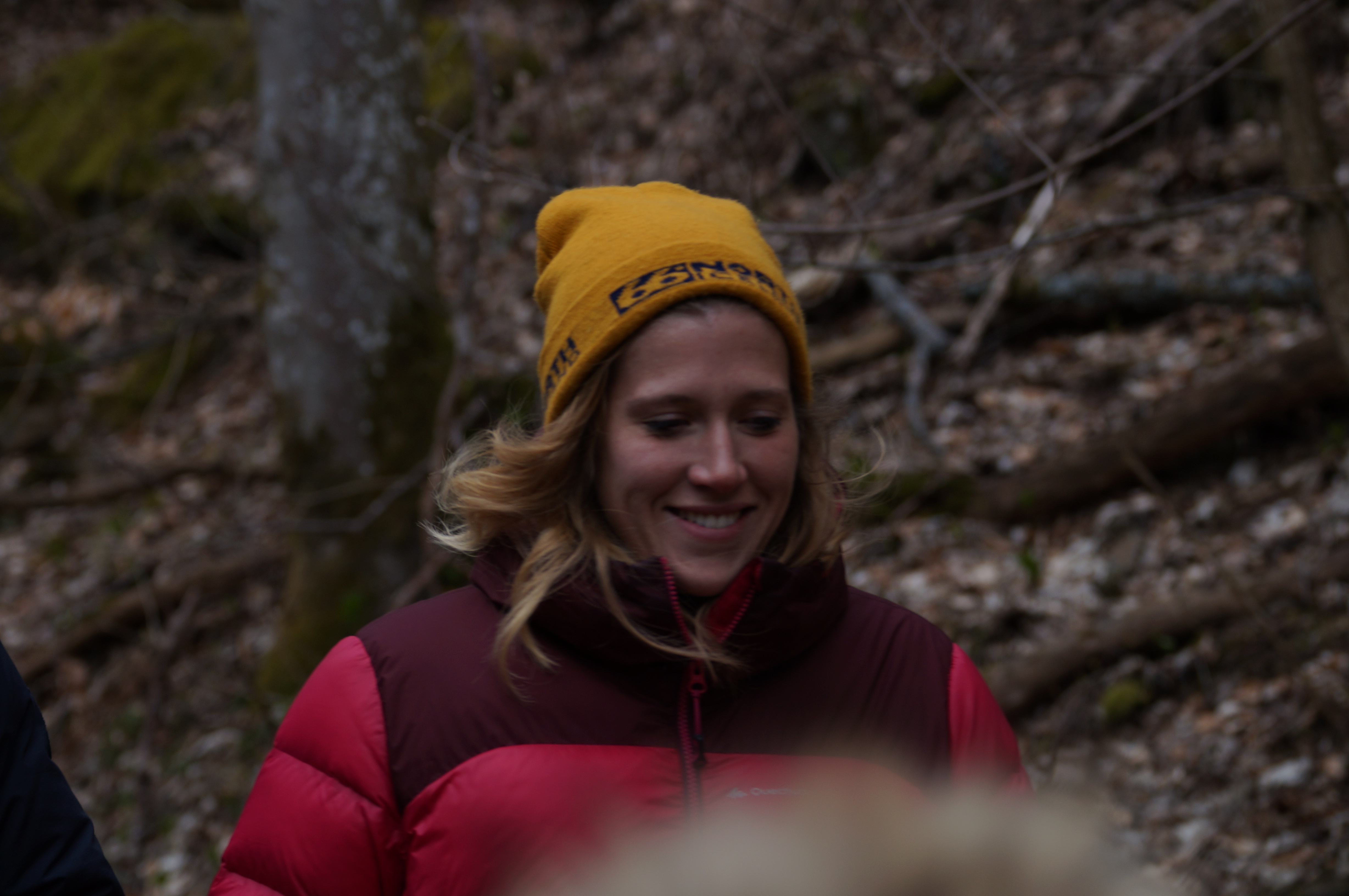 I am a teacher for German and Geography with a past as a journalist for Süddeutsche Zeitung, now living in Hannover.
  Alfred Wegener Institute, Germany
 Alfred Wegener Institute
  University of Leeds, United Kingdom
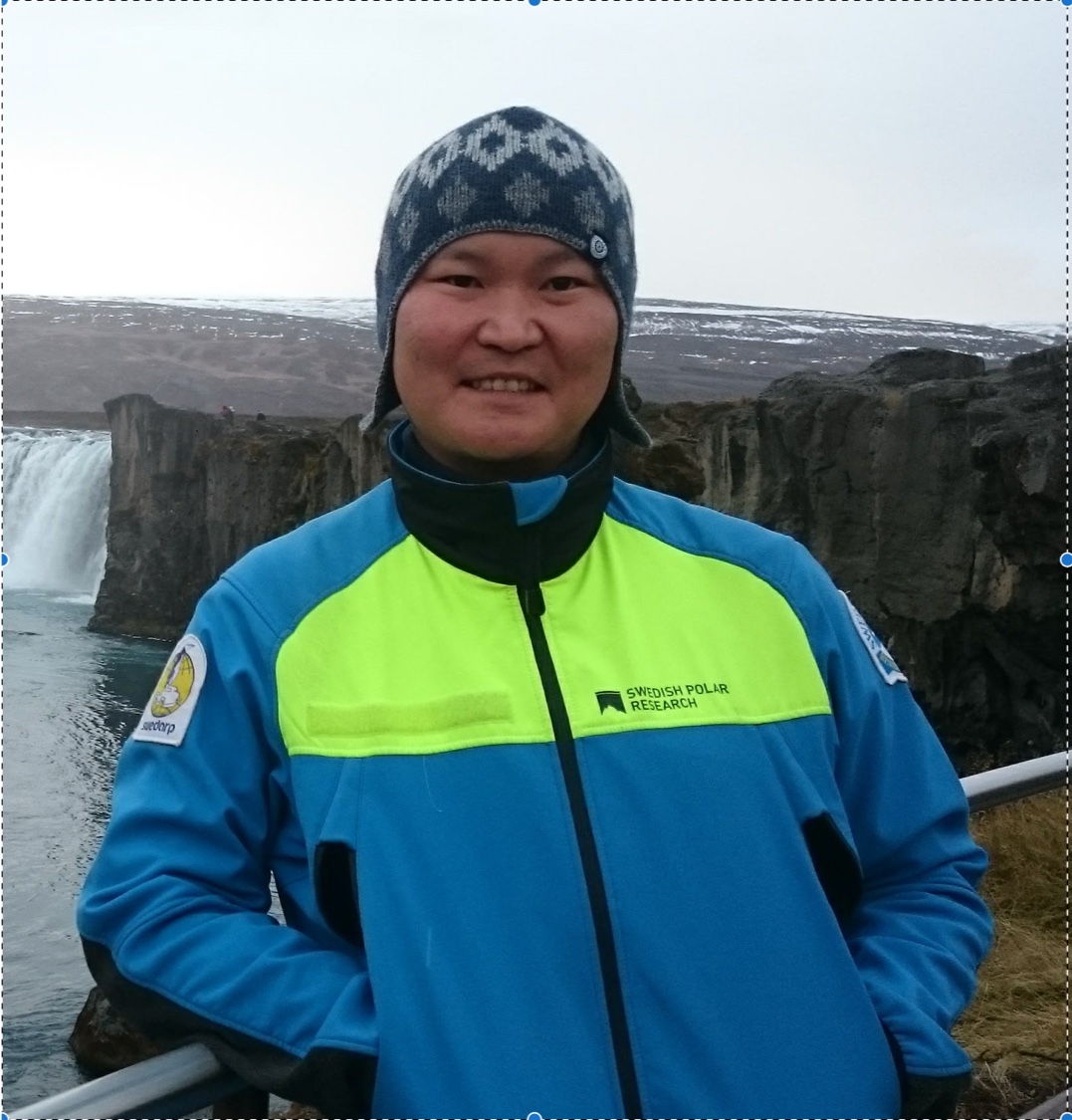 Ammosov North Eastern Federal University, Russia
 Alfred Wegener Institute, Helmholtz Centre for Polar and Marine Research, Germany
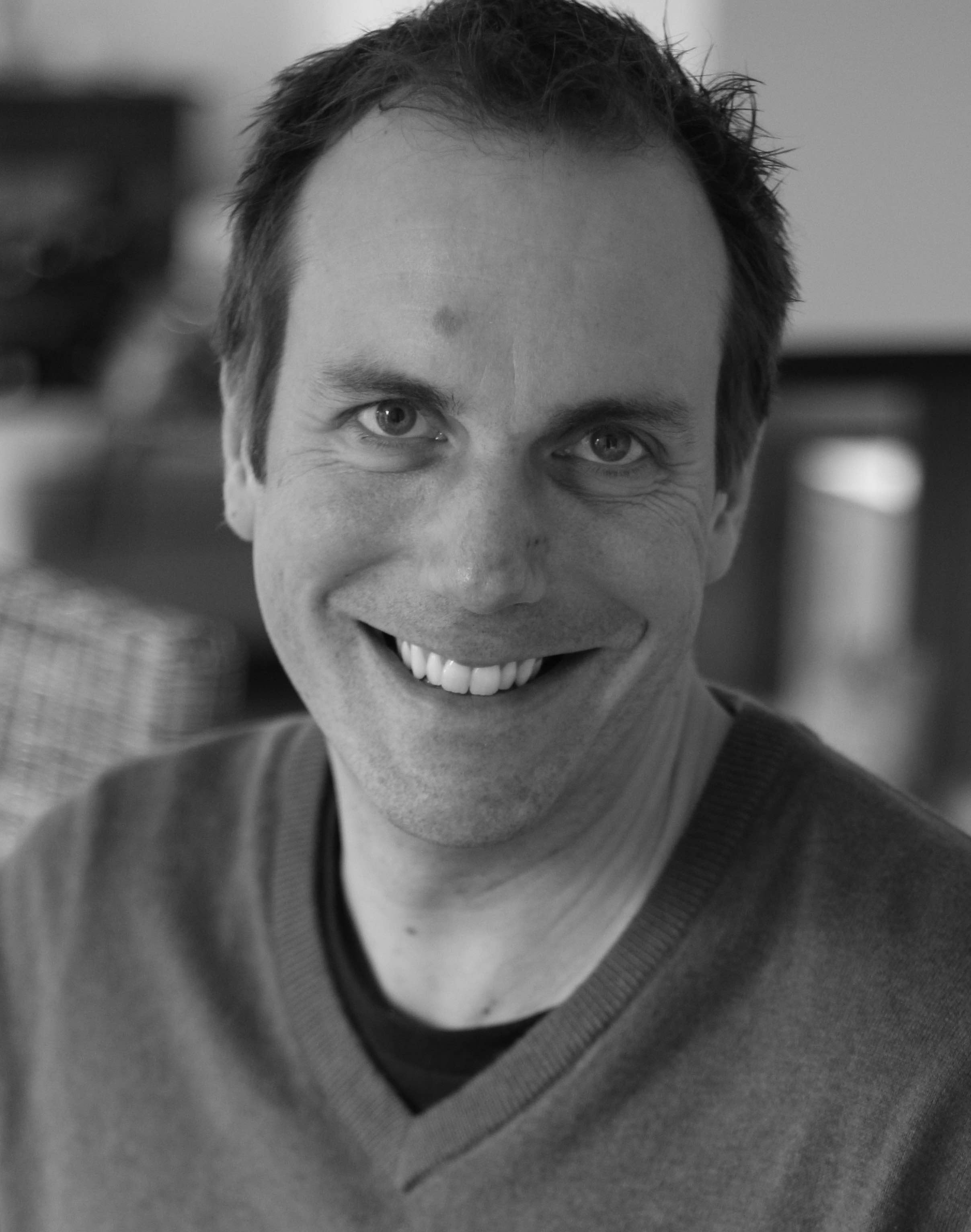 University of Bremen, Germany
 GEOMAR, Germany
 CIRES, University of Colorado, NOAA, USA
 Naval Postgraduate School, USA
 University College London, United Kingdom
 University of Stockholm, Sweden
 Finnish Meteorological Institute, Finland
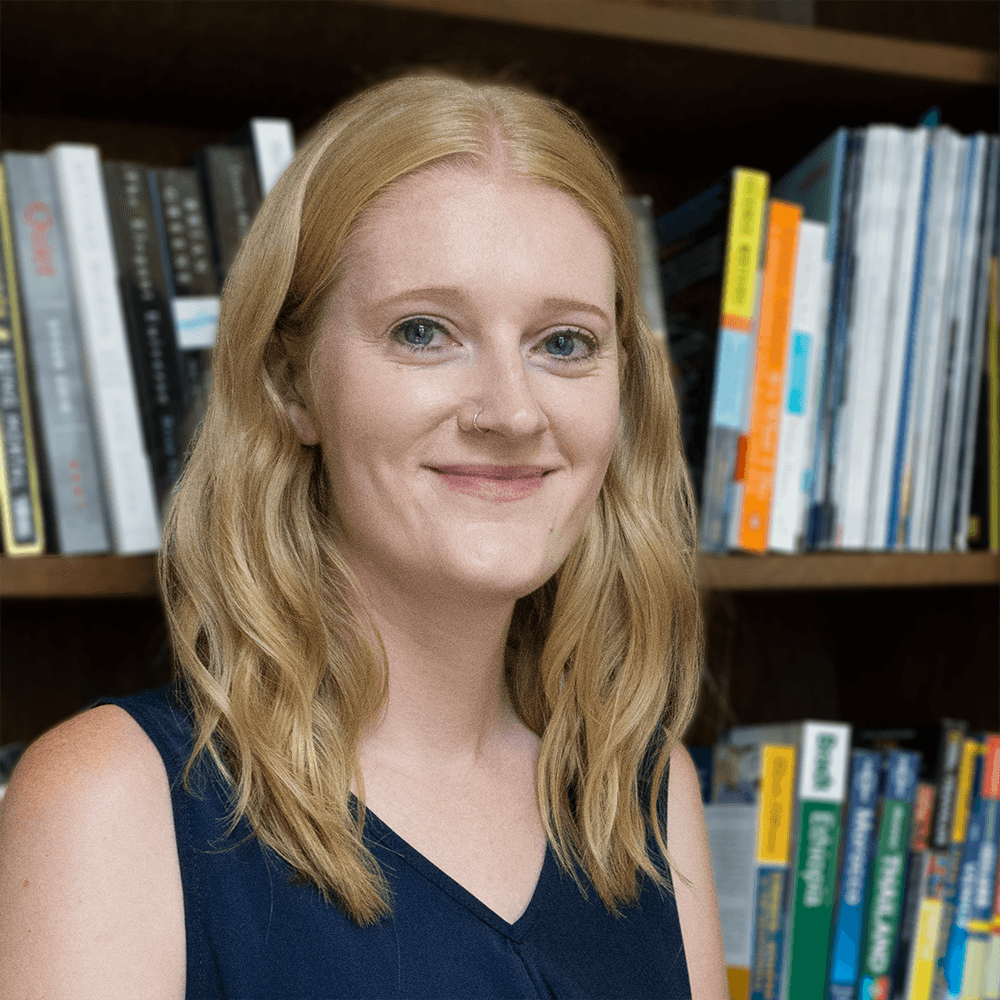 CASW Showcase and Freelance Science Journalist, USA
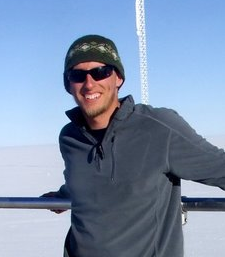 Cooperative Institute for Research in Environmental Sciences at the University of Colorado Boulder, USA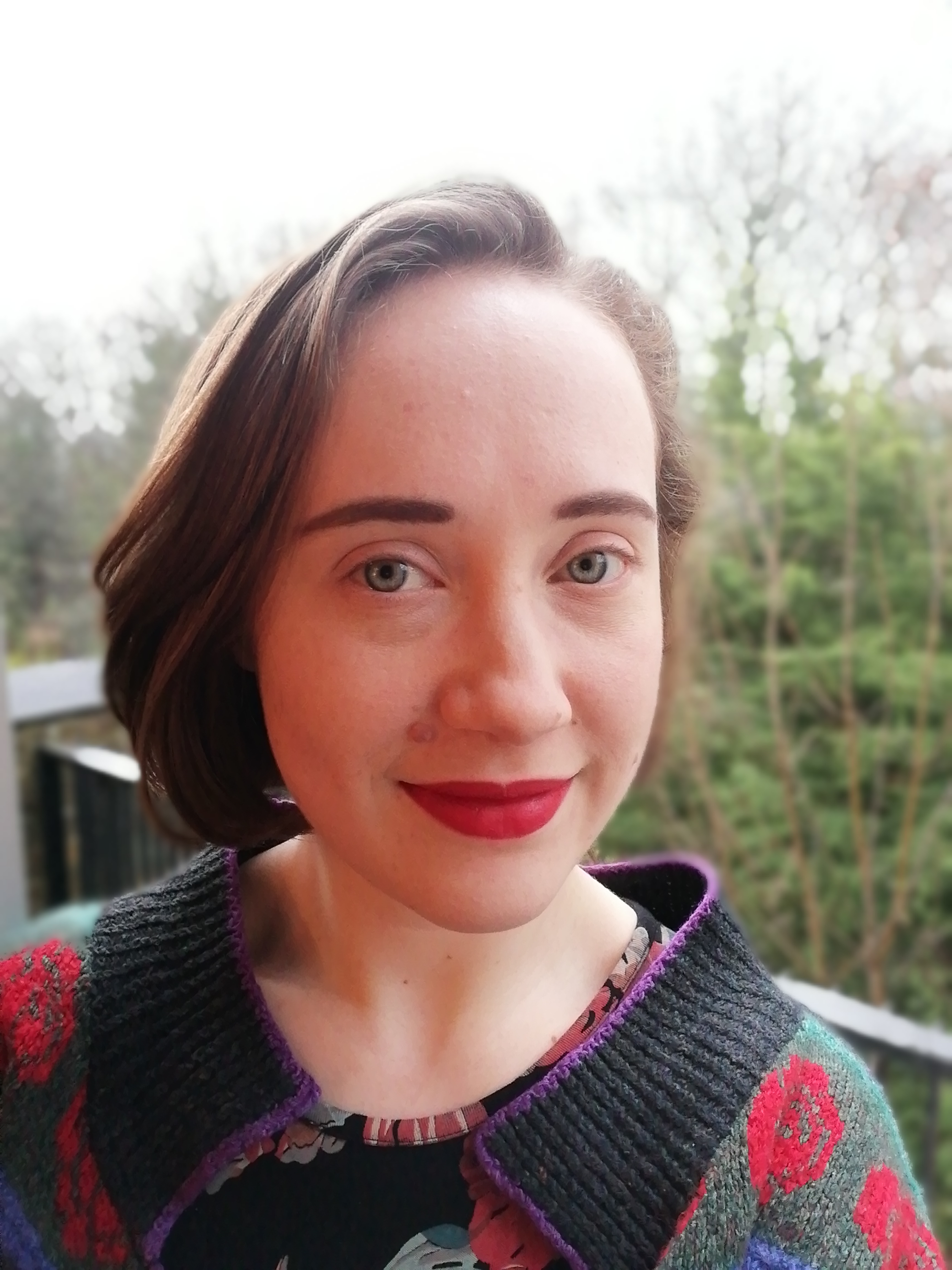
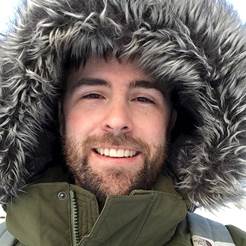 Oregon State University, USA