In our APECS News, you can find news from and about the wider APECS network and our many events, activities and resources organized and developed by the APECS leadership, project groups and National Committees.
If you want to submit APECS news for this page, please use the link below. If you have any questions, This email address is being protected from spambots. You need JavaScript enabled to view it.
We keep only the news of the last 3 months on this page. Older news can be accessed in our APECS News Archive.
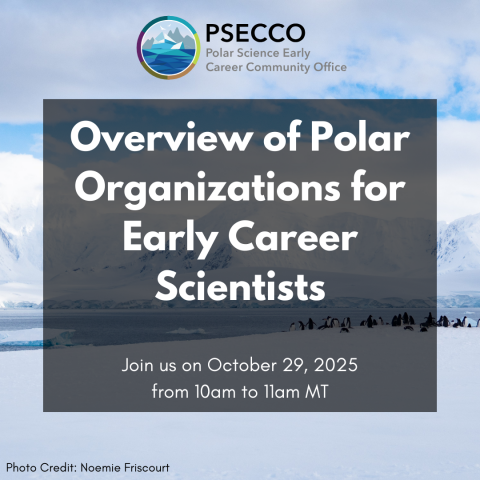
Are you interested in learning more about what polar organizations are out there with opportunities relevant to early career researchers? The Polar Science Early Career Community Office (PSECCO) is excited to host representatives from 16 different polar organizations — including the Association of Polar Early Career Scientists (APECS) — to introduce their organizations and share how to engage with them.
The Association of Polar Early Career Scientists (APECS) is an international and interdisciplinary organization for early career researchers with interests in the polar and alpine regions and the wider cryosphere. APECS fosters collaborations and exchange among its 5800+ members worldwide and serves as a critical link between polar research institutions and initiatives and the early career community. The APECS International Directorate is currently hosted by UiT The Arctic University of Norway, the Norwegian Polar Institute and the Fram Centre through the end of 2026.
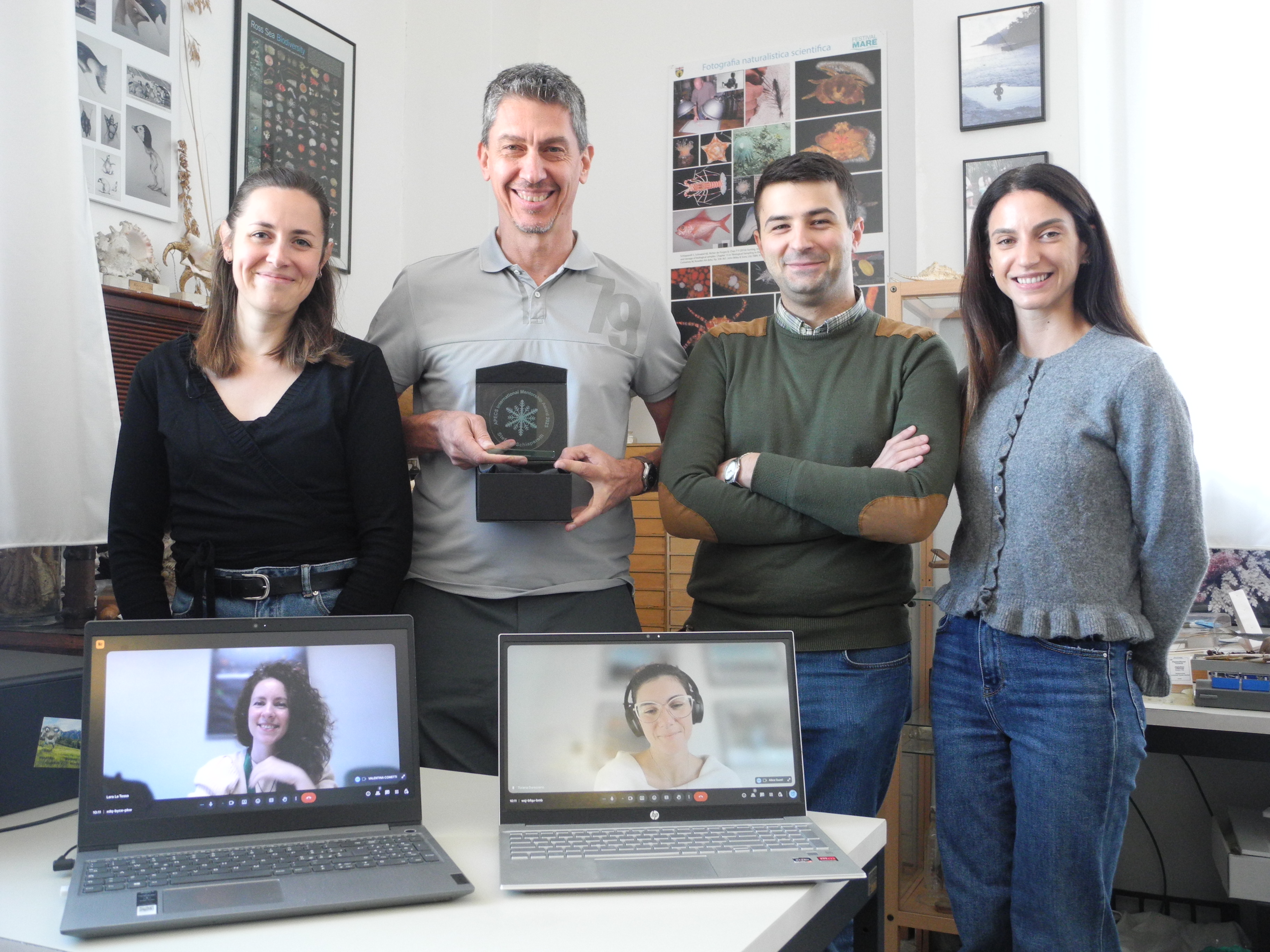
The Association of Polar Early Career Scientists (APECS) is delighted to announce Professor Stefano Schiaparelli as the recipient of the prestigious APECS International Mentorship Award for 2025. Professor Schiaparelli, Associate Professor of Zoology at the University of Genoa and Director of the Italian National Antarctic Museum, has been recognized for his exceptional dedication to mentoring the next generation of polar researchers throughout his distinguished career. His impact on early-career scientists is evidenced through his pivotal role in advancing Antarctic marine biology research, facilitating the inclusion of young researchers in Italian SCAR Science Group meetings, and securing early-career representation in national Antarctic research priorities.
The Arctic Observing Summit (AOS) is a biennial summit that aims to provide guidance based on the best available knowledge for the design, implementation, coordination and sustained long-term (decades) operation of an international network of Arctic observing systems. The AOS provides a platform to foster international communication and the widespread coordination of long-term observations aimed at improving understanding and responding to system-scale Arctic change.
The Association of Polar Early Career Scientists (APECS) is looking for an early career researcher to join the Organizing Committee for the AOS 2026 and be actively involved in this committee alongside Axel Schlindwein from the APECS International Directorate.
APECS is a global, interdisciplinary, and volunteer-driven community, and your voice matters. We are excited to invite all members to participate in our 2025 Member Survey, designed to help us understand your experiences, needs, and ideas for improving our programs, communications, and community engagement.
The survey covers a range of topics, including:
Communication & Outreach: How you follow APECS news and how we can make our communications more effective.
International Collaboration & Networking: How APECS supports your connections across regions and disciplines.
Inclusivity & Barriers to Participation: How we can create a more welcoming and accessible community.
Recognition, Motivation & Support: How appreciated you feel within APECS and what support you value most.
Training, Resources & Capacity Sharing: Which tools and training would help you thrive in your role.
Safety, Well-being & Trust: Ensuring a safe, supportive, and inclusive environment for all members.
Your input will help guide the future of APECS. Completing the survey takes about 15–20 minutes. All responses are anonymous and will be used solely to enhance APECS’ culture, programming, and strategic planning.
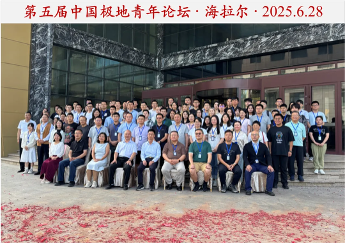
5th China Polar Youth Forum Successfully Held in Hulunbuir
The 5th China Polar Youth Forum concluded successfully in Hulunbuir, Inner Mongolia Autonomous Region. Hosted by the China Polar Youth Scientists Association, the forum took place in Hailar District from June 27 to 29, 2025, gathering numerous young talents and renowned experts in China’s polar and cold-region scientific fields.
Above: Group photo of the 5th China Polar Youth Forum participants
You are not applying for the IASC Fellowship Program this year? We need you to review!
The APECS International Directorate organizes the application review process and invites anyone who will not apply for the IASC Fellowships this year to help.
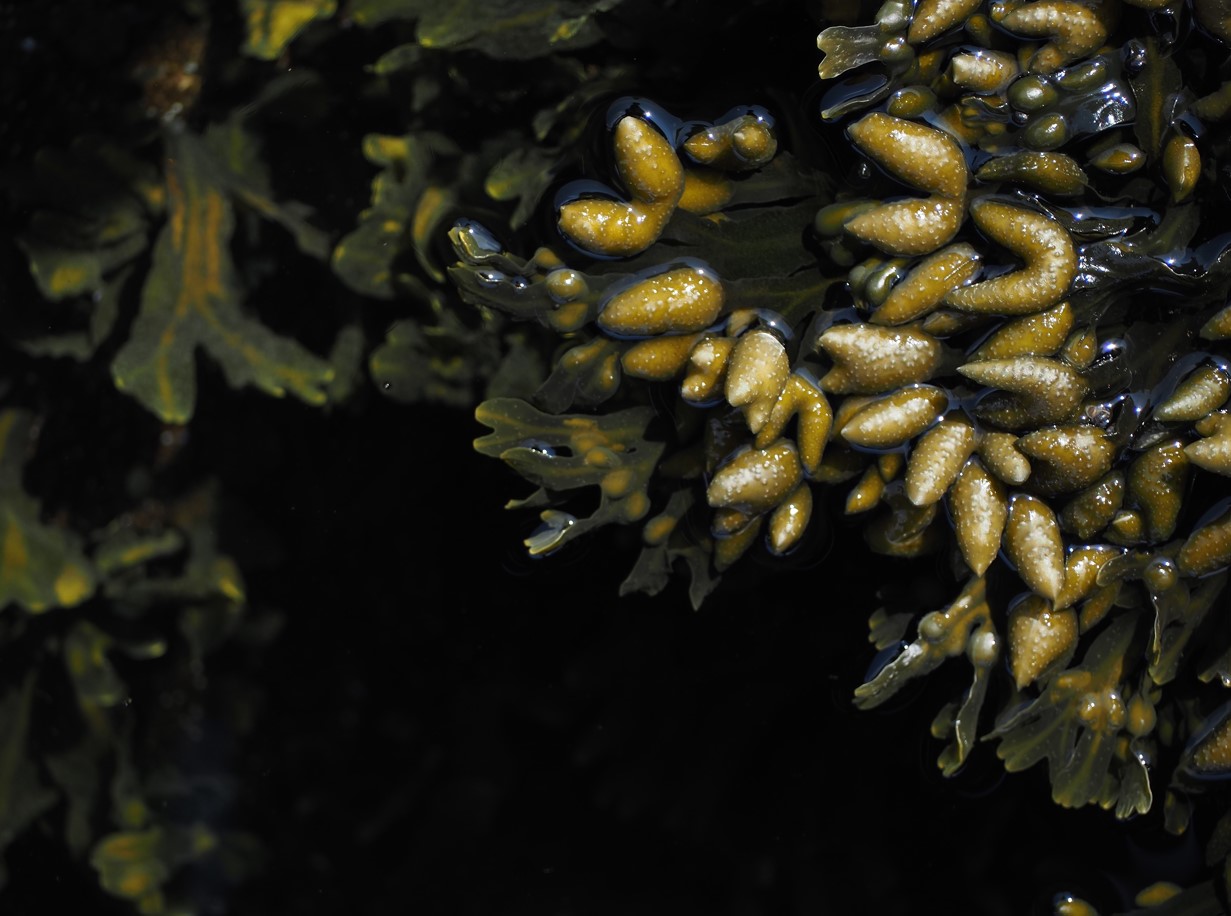
The UK Polar Network is delighted to invite scientists, artists, storytellers, educators, and innovators to contribute to an Arctic seaweed exhibit at the Arctic Circle Assembly. We are particularly interested in contributions from early career individuals (from any discipline, sector, or geography).